
Stories of America - الموسم 1 الحلقة 1
اختر السيرفر
الحلقات
 1
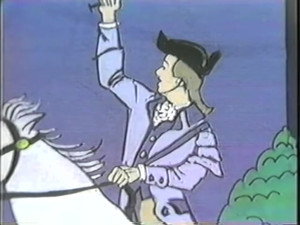
1Our Country's Birthday
The first episode of the 1976 WVIZ-TV series Stories of America, titled "Our Country's Birthday," is hosted by Ann McGregor and uses children's literature to introduce students to the nation's founding. It employs a storytelling format to cover the First Continental Congress and tensions between the colonies and England, utilizing books, film, and animation.
 2
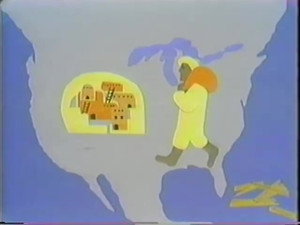
2Discover America
In this episode, young viewers trace the earliest encounters between Europeans and the land that would become the United States. Through simple narration and classroom‑friendly visuals, the program explains how explorers first learned about the continent, why they traveled so far from home, and how these discoveries began shaping the idea of “America.” The episode introduces key figures, maps, and motivations, helping children understand how curiosity, courage, and cultural exchange set the stage for the nation’s beginnings.
 3
3America is Named
This episode explores how the name “America” came to be. Through simple narration and clear visuals, young viewers learn about the mapmaker Martin Waldseemüller, the influence of explorer Amerigo Vespucci, and how early European discoveries shaped the naming of a new continent. The program breaks down the historical confusion, the reasoning behind the name, and how it eventually became attached to the land that would form the United States. Designed for classroom use, it offers a straightforward introduction to the origins of one of the world’s most recognized names.
 4
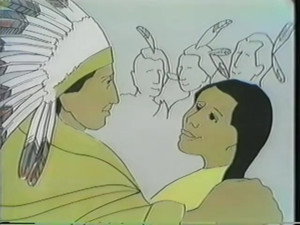
4Pocahontas
This episode introduces children to the story of Pocahontas and her role in early American history. Through simple narration and reenacted scenes, the program explains her connection to the Powhatan people, her encounters with English settlers at Jamestown, and the cultural misunderstandings that shaped their interactions. Designed for young viewers, the episode highlights themes of communication, respect, and the meeting of two very different worlds, offering a gentle introduction to one of America’s most well‑known historical figures.
 5
5Children of the Mayflower
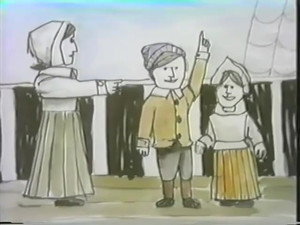
This episode introduces young viewers to the children who traveled aboard the Mayflower in 1620. Through simple narration and reenactments, it explores what life was like for these young passengers—their daily routines, the hardships of the voyage, and the hopes their families carried to the New World. The program highlights how the experiences of these children shaped the early days of Plymouth Colony, offering a relatable and human perspective on one of America’s most iconic journeys.
 6
6John Billington and Squanto
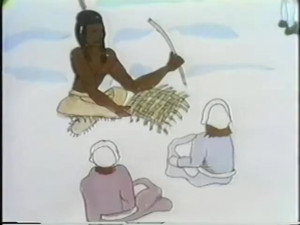
This episode explores two very different figures from the early days of Plymouth Colony. Through simple narration and reenactments, children learn about John Billington—one of the colony’s most troublesome settlers—and Squanto, the Patuxet man whose knowledge and guidance helped the Pilgrims survive their first harsh years. By contrasting Billington’s defiance with Squanto’s diplomacy and skill, the program highlights the challenges, misunderstandings, and unexpected alliances that shaped life in the New World.
 7
7New Amsterdam
This episode introduces children to the Dutch settlement of New Amsterdam, the bustling trading post that would one day become New York City. Through simple narration and reenactments, the program explains why the Dutch came to the region, how they built a diverse and lively colony, and what daily life looked like along the harbor. The episode highlights the colony’s mix of cultures, its focus on commerce, and the lasting influence the Dutch left on American language, customs, and place names.
 8
8Ben Franklin
This episode introduces children to the remarkable life of Benjamin Franklin—printer, inventor, writer, and statesman. Through simple narration and reenactments, the program highlights his curiosity, his famous experiments with electricity, and his many practical inventions that improved everyday life. It also explores Franklin’s role in shaping the young nation through diplomacy and leadership. Designed for classroom learning, the episode presents Franklin as a creative thinker whose ideas and contributions continue to influence America today.
 9
9George Washington
This episode introduces children to the early life and leadership of George Washington, tracing his journey from a young Virginia surveyor to commander of the Continental Army. Through simple narration and reenactments, the program highlights his courage, discipline, and steady character during the American Revolution. It also explains why Washington became a unifying figure for the new nation and how his example helped shape the role of the presidency. Designed for classroom learning, the episode presents Washington as a symbol of responsibility and service at the dawn of America.
 10
10Daniel Boone
This episode introduces children to the adventurous life of Daniel Boone, one of America’s most famous frontiersmen. Through simple narration and reenactments, the program follows Boone as he explores the wilderness beyond the Appalachian Mountains, helping to open Kentucky to early settlers. The episode highlights his courage, resourcefulness, and determination, showing how his journeys symbolized the spirit of exploration that shaped the nation’s westward growth. Designed for classroom learning, it presents Boone as a figure whose bravery and curiosity left a lasting mark on American history.
 11
11The Start of a War
This episode helps children understand how rising tensions between the American colonies and Great Britain led to the beginning of the Revolutionary War. Through simple narration and reenactments, the program explains the growing disagreements over taxes, laws, and independence, showing how everyday people were drawn into a conflict that would change the course of history. Designed for classroom learning, the episode highlights the key events and emotions that set the stage for America’s fight for freedom.
 12
12Needles and Bread
This episode explores the everyday skills and simple tools that helped early American families survive. Through clear narration and reenactments, children learn how basic tasks like sewing clothing and baking bread were essential parts of daily life in the colonies. The program highlights the hard work, cooperation, and resourcefulness required to keep a household running, showing how ordinary chores played an important role in building strong communities. Designed for classroom learning, the episode offers a relatable look at the practical side of early American living.
 13
13Indian Summer
This episode explores the meaning of “Indian Summer,” the warm, calm days that sometimes appear late in the fall. Through simple narration and gentle visuals, children learn how early American settlers noticed this weather pattern and how it became part of seasonal life in the colonies. The program highlights the connection between nature, daily work, and community rhythms, offering a peaceful look at how early Americans prepared for winter while enjoying the last mild days of the year.
 14
14The Growers
This episode explores how early American communities depended on farming and the people who worked the land. Through simple narration and reenactments, children learn about the crops settlers planted, the tools they used, and the teamwork required to raise enough food for families and towns. The program highlights the patience, skill, and determination of the growers whose labor helped sustain the colonies and shape the nation’s agricultural roots. Designed for classroom learning, it offers a clear look at the essential role farming played in America’s early development.
 15
15Lewis and Clark
This episode follows the famous expedition of Meriwether Lewis and William Clark as they journey across the vast, unmapped lands of the American West. Through simple narration and reenactments, children learn why President Jefferson sent the explorers, how they prepared for the long trip, and what they discovered along the way. The program highlights their encounters with new landscapes, wildlife, and Native nations, as well as the vital help of Sacagawea. Designed for classroom learning, the episode shows how the expedition expanded America’s understanding of its growing territory.
 16
16Davy Crockett
This episode introduces children to the legendary frontiersman Davy Crockett, a figure whose real-life adventures helped inspire American folklore. Through simple narration and reenactments, the program follows Crockett’s early years in the wilderness, his skill as a hunter and storyteller, and his rise to public service as a Tennessee congressman. The episode highlights his courage, independence, and larger‑than‑life reputation, showing how Crockett became a symbol of the frontier spirit that shaped America’s growth.
 17
17Robert Fulton
This episode introduces children to Robert Fulton, the inventor best known for developing the first successful steamboat. Through simple narration and reenactments, the program follows Fulton’s early interest in mechanics, his experiments with new ideas, and the challenges he faced while trying to prove that steam power could transform travel. The episode highlights how his determination and creativity helped open new possibilities for transportation and commerce in America. Designed for classroom learning, it presents Fulton as an innovator whose work helped move the young nation forward.
 18
18The Oregon Trail
This episode introduces children to the long and challenging journey pioneers faced as they traveled west along the Oregon Trail. Through simple narration and reenactments, the program shows why families chose to leave their homes, what supplies they carried, and how they worked together to overcome dangers such as rough terrain, weather, and illness. Designed for classroom learning, the episode highlights the courage, determination, and hope that drove thousands of Americans to seek new opportunities in the West.
 19
19Gretchen Goes West
This episode follows Gretchen, a young girl who joins her family on their journey into the American West. Through simple narration and reenactments, children see the challenges and discoveries that come with traveling across unfamiliar land—long days on the trail, new landscapes, and the teamwork needed to keep a wagon moving. The program highlights Gretchen’s curiosity and courage as she adapts to frontier life, offering young viewers a relatable look at what westward expansion felt like for children.
 20
20The California Gold Rush
This episode introduces children to the excitement and upheaval of the California Gold Rush of 1849. Through simple narration and reenactments, the program explains how news of gold spread across the country, why so many people rushed west, and what life was really like in the mining camps. The episode highlights the hopes, hardships, and diverse groups of people who sought fortune, showing how the Gold Rush helped transform California and speed the growth of the young nation.
 21
21The Pony Express
This episode introduces children to the fast‑riding mail service that briefly connected the American West before the telegraph. Through simple narration and reenactments, the program explains how young riders carried letters across nearly two thousand miles of rugged terrain, facing weather, wildlife, and long stretches of open country. The episode highlights the bravery, endurance, and teamwork that made the Pony Express possible, showing how this short‑lived service became one of the most memorable symbols of frontier America.
 22
22Runaway Slave
This episode introduces children to the difficult and dangerous journey faced by enslaved people who sought freedom by escaping bondage. Through simple narration and reenactments, the program explains why some enslaved individuals risked everything to run away and how they relied on courage, secrecy, and the help of others along the way. Designed for classroom learning, the episode offers a gentle, age‑appropriate look at a painful chapter in American history, emphasizing the strength, hope, and determination of those who sought liberty.
 23
23The Underground Railroad
This episode introduces children to the secret network known as the Underground Railroad, which helped enslaved people escape to freedom before the Civil War. Through simple narration and reenactments, the program explains how conductors, safe houses, and coded signals worked together to guide freedom seekers on their dangerous journeys north. The episode highlights the bravery of those who fled, as well as the compassion and courage of the individuals who risked their own safety to help them. Designed for classroom learning, it offers an age‑appropriate look at a powerful movement for justice and human dignity.
 24
24Martin and Abraham Lincoln
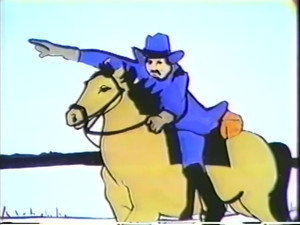
This episode tells the story of Martin, a young boy who learns about the life and leadership of Abraham Lincoln. Through simple narration and reenactments, children follow Martin’s discovery of Lincoln’s humble beginnings, his love of reading, and his rise to the presidency during one of the most challenging times in American history. The program highlights Lincoln’s honesty, determination, and belief in fairness, helping young viewers understand why he became one of the nation’s most respected leaders. Designed for classroom learning, the episode shows how Lincoln’s example continues to inspire new generations.
 25
25Clara Barton
This episode introduces children to Clara Barton, the compassionate nurse who became known as the “Angel of the Battlefield” during the Civil War. Through simple narration and reenactments, the program shows how Barton cared for wounded soldiers, delivered supplies to the front lines, and later founded the American Red Cross. The episode highlights her courage, determination, and lifelong commitment to helping others, offering young viewers an inspiring look at one of America’s most important humanitarian figures.
 26
26The Transcontinental Railroad
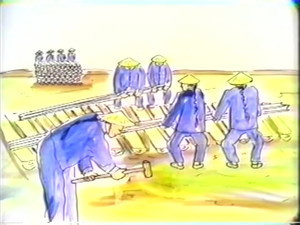
This episode introduces children to the building of the Transcontinental Railroad, one of the most ambitious projects in America’s early history. Through simple narration and reenactments, the program explains how two railroad companies worked from opposite sides of the country, laying track across mountains, plains, and deserts until they finally met at Promontory Summit in 1869. The episode highlights the hard work of the laborers—many of them immigrants—the challenges they faced, and the excitement of connecting the nation from coast to coast. Designed for classroom learning, it shows how the railroad transformed travel, trade, and everyday life in the United States.
 27
27Pecos Bill
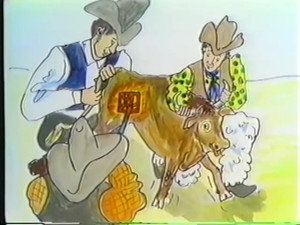
This episode introduces children to Pecos Bill, one of America’s most famous tall‑tale heroes. Through lively narration and playful reenactments, the program explores the exaggerated stories that grew up around Bill—his wild adventures on the frontier, his larger‑than‑life strength, and the humor that made him a favorite figure in American folklore. Designed for classroom learning, the episode helps young viewers understand how tall tales were used to entertain, inspire imagination, and celebrate the spirit of the Old West.
 28
28Tom Edison
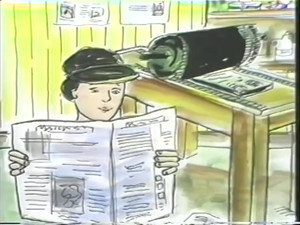
This episode introduces children to the early life and inventive spirit of Thomas Edison, one of America’s most influential creators. Through simple narration and reenactments, the program highlights Edison’s curiosity as a young boy, his experiments with science, and the determination that led him to develop groundbreaking inventions. Designed for classroom learning, the episode shows how Edison’s persistence and imagination helped shape modern technology and inspired future generations of inventors.
 29
29Annie Oakley
This episode introduces children to Annie Oakley, the sharpshooter whose remarkable skill made her one of the most famous performers of the American West. Through simple narration and reenactments, the program follows her early life, her discovery of her talent with a rifle, and her rise to national fame in Buffalo Bill’s Wild West show. The episode highlights Oakley’s determination, discipline, and generosity, offering young viewers an inspiring look at a woman who broke barriers and became a legendary figure in American history.
 30
30The First Cars
This episode introduces children to the earliest automobiles and how they began to change everyday life in America. Through simple narration and reenactments, the program explains how inventors experimented with engines, what these first cars looked like, and why they were such an exciting new idea at the turn of the century. The episode highlights how early drivers learned to navigate rough roads, how communities reacted to this strange new machine, and how the automobile helped shape the modern world. Designed for classroom learning, it offers young viewers a clear, engaging look at the beginnings of American transportation.
 31
31Little Yellow Fur
This episode tells the gentle story of a small, bright‑colored animal whose adventures introduce children to themes of curiosity, responsibility, and kindness. Through simple narration and reenactments, the program follows Little Yellow Fur as it explores its surroundings, meets new friends, and learns important lessons about safety and trust. Designed for classroom learning, the episode offers young viewers an engaging, age‑appropriate tale that encourages empathy and thoughtful decision‑making.
 32
32Father is President
This episode tells the story of a young girl whose father becomes President of the United States, giving children a gentle, imaginative look at life inside the White House. Through simple narration and reenactments, the program follows her experiences as she adjusts to new surroundings, meets important visitors, and learns about the responsibilities that come with national leadership. Designed for classroom learning, the episode highlights themes of family, civic duty, and the importance of supporting those who serve the country.
جاري البحث عن روابط التحميل المباشرة...